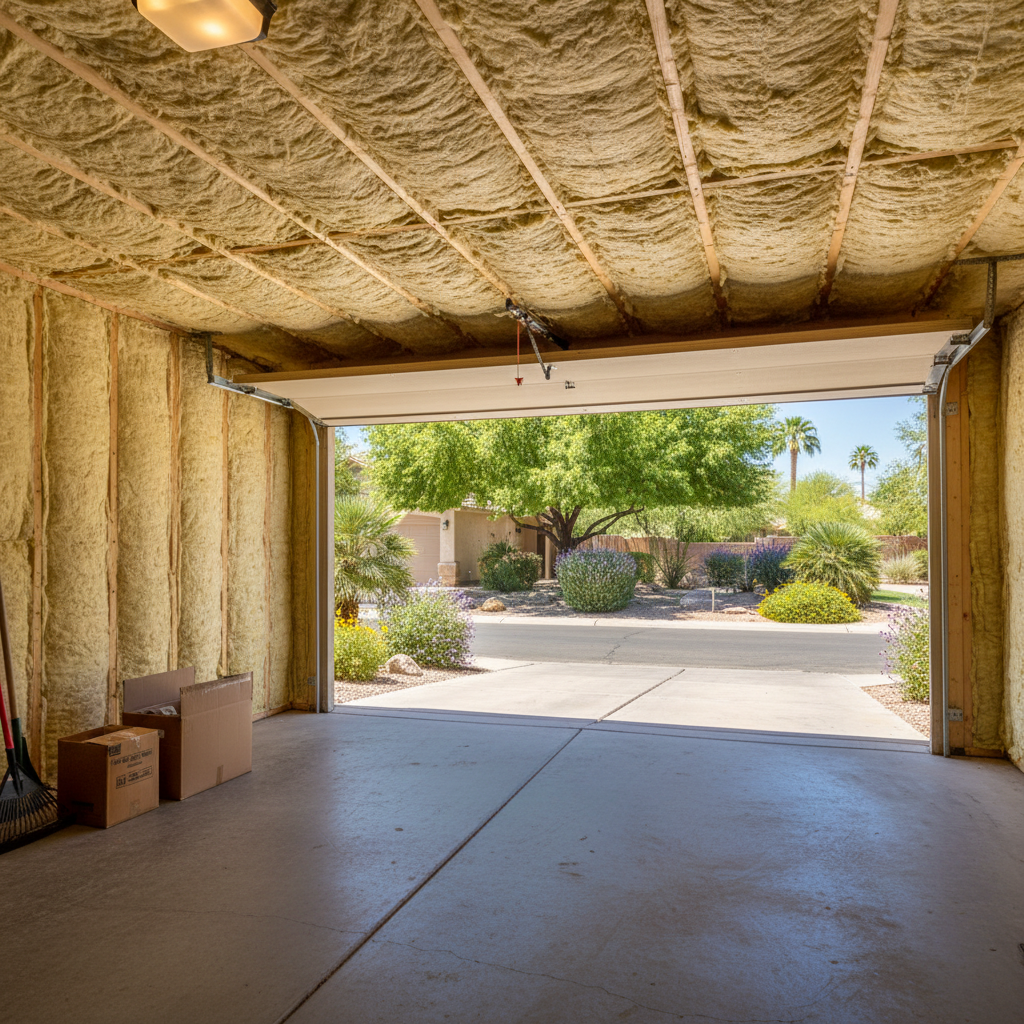
Your garage isn't just a place to park your car, is it? For most folks in Tempe, it's a workshop, a storage unit, a home gym, or maybe even a laundry room. But man, does it get hot out there. If you're tired of sweating buckets just to grab a tool or do a load of laundry, you've probably thought about insulating it. It's a smart move, especially with our summers. But when's the best time to do it, and what do you need to know to make sure it's done right?
Timing is Everything: When to Insulate Your Tempe Garage
You might think, "I'll just get it done when it's hot, so I can feel the difference right away." And yeah, you'll definitely feel it. But from a practical standpoint, scheduling your garage insulation work is a bit like planning for our monsoon season — you want to be ready before the worst hits.
I always tell people the shoulder seasons are your best bet here in Tempe. That means late fall, winter, or early spring. Why?
- Comfort for the Crew: Let's be real, working in a 115-degree garage is brutal. While we're pros and we do it, it's just more efficient and safer when temperatures are milder.
- Better Curing: If you're going with spray foam, the material cures best within a certain temperature range. Extreme heat can sometimes make it cure too fast, or too slow, affecting its long-term performance. We manage this, of course, but ideal conditions sure do help.
- Less Disruption: You're probably using your garage less intensely when it's not scorching outside. Getting the work done when you're not constantly in and out makes it easier for us, and honestly, less of a hassle for you.
Don't wait until July when your garage feels like an oven. Plan ahead. Get on the schedule in November, December, or March. You'll thank yourself when summer rolls around.
Weather Watch: What Conditions Affect the Job?
You might not think about the weather much when it comes to insulation, especially inside a garage. But trust me, it matters. Here's what we look at:
- Rain: This is a big one, especially if we're dealing with exterior walls or any potential moisture issues. We can't apply spray foam to wet surfaces. If it's been raining, we need to make sure everything is completely dry before we start. This is less of an issue in Tempe than, say, Seattle, but those summer monsoons can pop up fast.
- Extreme Heat: Like I said, while we work in it, 110+ degrees makes everything harder. Equipment can overheat, and the material's application can be trickier to control perfectly. It's not a deal-breaker, but milder temps are always preferred.
- Wind: If your garage isn't fully sealed, or if we're working near an open door, strong winds can affect spray foam application. We need a relatively calm environment to ensure even coverage and prevent overspray.
We're pretty good at working around Tempe's unique weather patterns. We monitor forecasts closely. If there's a chance of a big dust storm or heavy rain, we'll communicate with you about rescheduling. Our goal is always a perfect application, and sometimes that means waiting for the right conditions.
Protecting Your Investment Year-Round
Once you've invested in insulating your garage, you want that comfort and energy savings to last. Here's how you protect it:
- Seal Up Gaps: Insulation does its job best when air isn't sneaking around it. Check your garage door seals regularly. Those rubber strips at the bottom and sides wear out, especially with our intense UV rays. Replace them when they get brittle or cracked. It's a cheap fix that makes a huge difference.
- Mind Your Vents: If you have any vents in your garage, make sure they're not blocked by storage. Good airflow, where intended, helps prevent moisture buildup.
- Watch for Leaks: This is crucial. If you notice any water stains on your ceiling or walls, get it checked out immediately. Water is insulation's worst enemy, especially for materials like fiberglass or cellulose. Even closed-cell spray foam can be compromised if there's a persistent leak.
- Keep it Clean: A dusty garage isn't usually a problem for insulation itself, but keeping the area around your walls and ceiling clear helps you spot any potential issues early.
A well-insulated garage isn't just about comfort; it's about protecting your stored items from extreme temperatures and even helping to stabilize the temperature in adjacent parts of your home. It's a smart upgrade for any Tempe homeowner. At Spray Foam Pros of Tempe, we've seen firsthand the difference it makes. If you've got questions, just give us a call. We're happy to talk through your options.