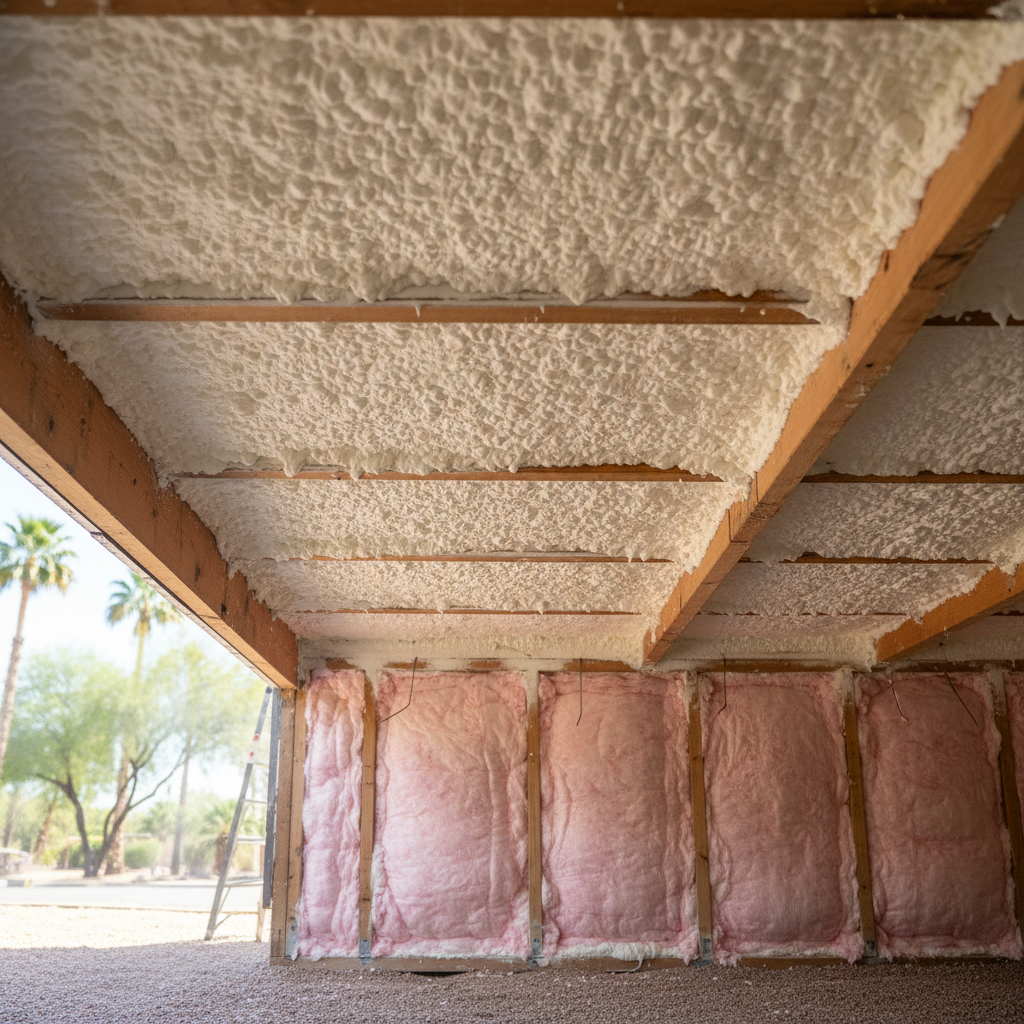
Alright, let's talk crawl spaces. Here in Tempe, we're always battling the heat, and a poorly insulated crawl space isn't just a small problem; it's a huge energy drain. It can make your floors feel like an oven in summer and let all your expensive AC escape right out. Plus, it can lead to bigger headaches like moisture and pests. You might be wondering, 'Can I just tackle this myself?' Good question. Let's break down what you need to know before, during, and after a crawl space insulation project.
Before You Start: Figure Out What's Going On
First things first, you've gotta know what you're dealing with. Crawl spaces aren't exactly glamorous, and they can be tricky to navigate. Here's what I'd recommend looking for:
- Moisture: This is a big one in Arizona. We don't get a ton of rain, sure, but irrigation runoff, plumbing leaks, or even just condensation can lead to standing water or dampness. If it's wet, you absolutely cannot just slap insulation over it. You'll trap that moisture, and then you've got mold, mildew, and wood rot on your hands. That's a much bigger, much more expensive problem than just insulation, trust me.
- Pests: Scorpions, spiders, rodents – they love dark, damp, undisturbed places. If you see signs of critters, you'll need to deal with them first. You definitely don't want to seal them in or disturb a nest without taking proper precautions.
- Existing Insulation: Is there old, sagging, or damaged insulation down there? Often, I see old fiberglass batts that have fallen, gotten wet, or become rodent hotels. That stuff needs to come out, no question.
- Access and Clearance: Can you actually get in there and move around? Some crawl spaces are tight, like, really tight. If you're not comfortable squeezing into small, dark places, or if the clearance is less than, say, 18-24 inches, you might want to reconsider DIY.
If you've got significant moisture, pest infestations, or extremely limited access, my honest advice? Call a pro. Seriously. It's not worth the health risks or the potential for making things worse. We've got the gear, the experience, and the know-how to handle those nastier situations safely.
DIY Insulation: What You Can Actually Do
Okay, let's say your crawl space is relatively clean, dry, and has decent access. What can you do yourself?
You can definitely install a vapor barrier. This is critical in Tempe, especially with our expansive clay soils that can hold moisture. A heavy-duty polyethylene sheet (at least 6-mil, but 10-mil is better) laid across the entire crawl space floor, overlapping seams by at least 6-12 inches and taped, then extended up the foundation walls a few inches, will do wonders. You can use masonry anchors or specialized tape to secure it to the walls. This helps prevent ground moisture from evaporating into your crawl space air.
For insulation, if you're set on DIY, you're likely looking at rigid foam boards or unfaced fiberglass batts (if you're insulating the subfloor). Rigid foam boards (like XPS or polyiso) are pretty good for insulating the perimeter walls of a crawl space. You cut them to fit snugly between the floor joists or against the foundation walls, securing them with appropriate adhesive or fasteners. Make sure all edges are sealed with foam sealant to prevent air leaks.
Here's the rub: even with rigid foam, you're not getting the complete air seal and thermal envelope that spray foam provides. And installing it perfectly, especially in tight spots, can be a real pain. You'll be on your back, getting dirty, and probably hitting your head a few times. Plus, you need to be careful about fire codes; some rigid foams require a thermal barrier, like drywall, if they're left exposed in an occupied space, though this is less common in an unfinished crawl space, thankfully.
When to Call Spray Foam Pros of Tempe
This is where we come in. If you want the best possible insulation and moisture control for your crawl space, especially in our extreme Tempe climate, you really need to consider closed-cell spray foam. Here's why it's a job for the pros:
- Superior Air Seal: Spray foam expands to fill every crack and crevice. This creates an incredible air barrier, stopping drafts and preventing conditioned air from escaping or unconditioned air from entering. No other insulation type can match that.
- Moisture Resistance: Closed-cell spray foam acts as its own vapor barrier. It doesn't absorb water, so it's excellent for preventing moisture issues. This is a huge benefit in a crawl space.
- Pest Deterrent: Because it seals everything so tightly and isn't exactly a tasty snack, spray foam makes it much harder for pests to get in or nest.
- Structural Rigidity: It adds a bit of structural integrity to the surfaces it's applied to.
- Expert Application: Applying spray foam correctly requires specialized equipment, training, and safety gear. You can't just buy a can of spray foam from the hardware store and expect the same results. We know how to prepare the space, apply it evenly, and ensure proper ventilation during and after application.
For most homeowners, the best approach is often a hybrid. Do the basic cleanup and lay down that vapor barrier yourself if you're up for it. But when it comes to the actual insulation, especially if you're looking for maximum energy efficiency and long-term protection against moisture and pests, calling a company like Spray Foam Pros of Tempe is going to save you headaches and money in the long run. We'll make sure your crawl space is properly encapsulated and insulated, making your home more comfortable and your energy bills lower.
After the Project: What to Look For
Once the insulation is in, whether you did some of it or we did it all, you should notice a difference. Your floors should feel more consistent in temperature, and your HVAC system shouldn't have to work as hard. Keep an eye out for any new signs of moisture or pests, though with a properly sealed and insulated crawl space, those issues should be significantly reduced or eliminated. It's a smart investment for any Tempe home, don't you think?