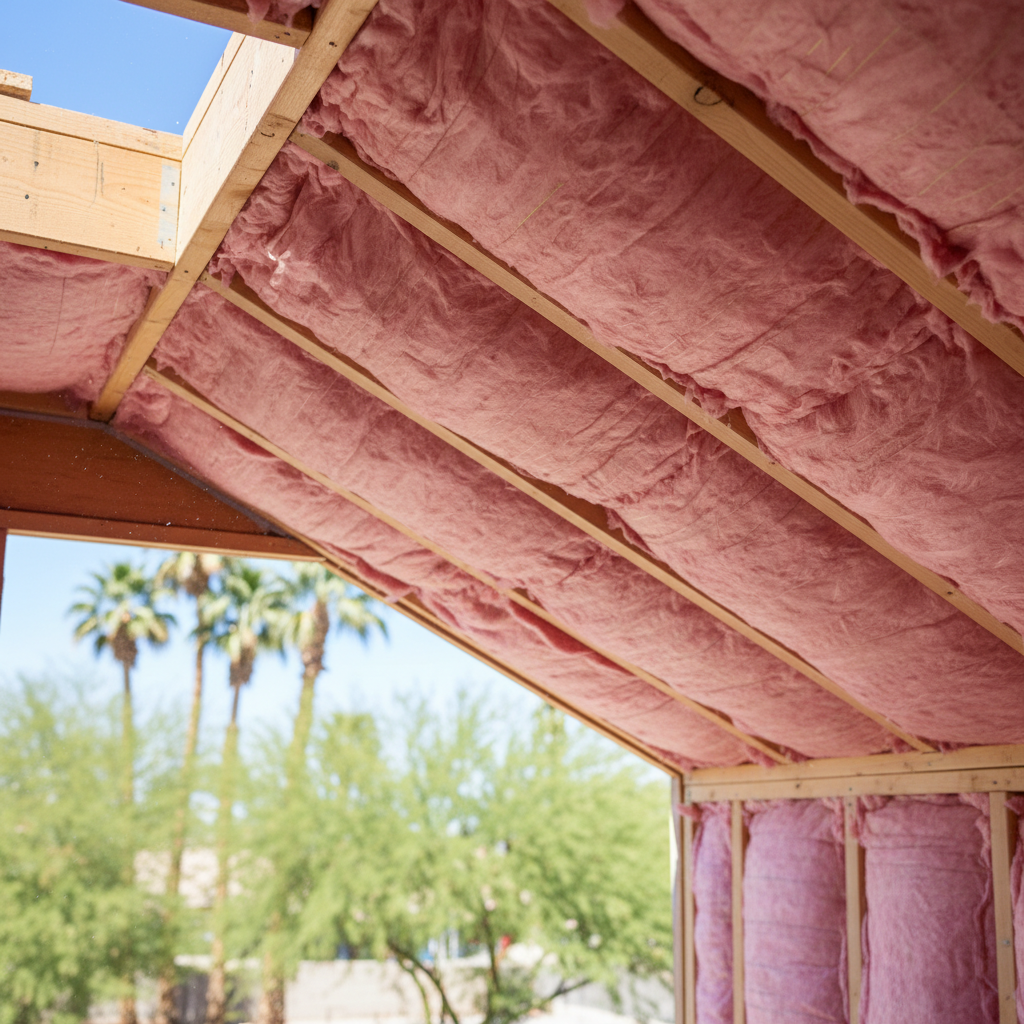
Thinking About DIY Batt Insulation?
So, you're staring at those energy bills, right? And maybe you're thinking, "Hey, I bet I could just slap some insulation up there myself." I totally get it. As a homeowner, you want to save a buck and, let's be honest, there's a certain satisfaction in tackling a project yourself. Batt insulation, that familiar stuff that comes in rolls or pre-cut pieces, honestly looks pretty simple. And for some spots, it absolutely can be a DIY job. But you really need to know what you're signing up for, especially here in Tempe where our summers are, well, legendary.
I've seen my fair share of insulation jobs over the years – some great, some not so great. The biggest mistake folks make when they DIY? Rushing, or just not quite grasping all the little details. Insulation isn't just about filling a space; it's about building a thermal barrier that actually works. If you don't do it right, you're not just throwing money away on materials; you're still burning cash on that AC.
Before You Start: Planning is Key
First things first, figure out exactly where you're insulating. Are we talking about an unfinished attic, a crawl space, or maybe an interior wall during a remodel? Each area throws up its own unique challenges, you know?
- Measure, then measure again: Trust me on this one. You really don't want to run short in the middle of a job. Get those dimensions of the area you're insulating spot on.
- R-Value: This is super important for Tempe, seriously. R-value tells you how well something resists heat. The higher that R-value, the better your insulation will perform. For attics around here, you're typically looking at R-38 to R-60, depending on what you've already got up there and how deep your ceiling joists are. Walls usually need R-13 or R-15 for 2x4 framing, and R-19 or R-21 for 2x6. Don't skimp here.
- Material Type: Fiberglass is the most common batt insulation you'll find. It's affordable and it does the job. Mineral wool is another choice; it offers better fire resistance and helps with sound dampening, but it's usually a bit pricier.
- Safety Gear: You absolutely, positively need a good respirator, safety glasses, gloves, and long sleeves/pants. Fiberglass fibers are no fun for your skin or lungs. Don't even think about skipping this stuff. Seriously.
The DIY Sweet Spot: Where You Can Shine
You can realistically tackle batt insulation in a few places yourself, no problem:
- Unfinished Attics: If your attic is easy to get into, has decent headroom, and isn't totally packed with ductwork or other obstacles, adding another layer of batt insulation over existing insulation or between joists can be a really solid DIY project. Just make sure you're not squishing down any insulation that's already there, because that actually makes it less effective. You'll want to cut batts so they fit snugly between joists, leaving no gaps.
- Open Wall Cavities (During a Remodel): If you've got the drywall off and the studs are exposed, putting in batts is pretty straightforward. Cut them to fit nice and tight between studs, making sure they fill the whole cavity without being compressed or leaving any air pockets.
These are the scenarios where you've got clear access and can actually see what you're doing. The key, always, is a tight, gap-free fit. Any gaps, even tiny ones, create little highways for heat to travel, making your insulation way less effective than it should be.
When to Call a Pro (Like Spray Foam Pros of Tempe)
Now, here's where my years of experience really come in handy. There are definitely times when trying to DIY batt insulation just isn't worth the headache — or, even worse, could lead to bigger problems down the road:
- Cramped, Difficult Attics: If your attic is a tangled mess of cross-bracing, ductwork, and low clearance, it's an absolute nightmare to move around in. You'll struggle to get batts into place correctly, which means gaps and poor coverage. Plus, it's super easy to accidentally damage ductwork or wiring up there.
- Knee Walls or Sloped Ceilings: These areas are tricky because you really need to ensure proper ventilation behind the insulation, especially with our scorching climate. Blocking soffit vents can lead to heat buildup and moisture issues, and believe me, you do not want that.
- Existing Walls (Without a Remodel): Unless you're tearing down drywall, insulating existing closed walls with batts isn't really an option. This is where blown-in insulation really shines, or sometimes spray foam.
- Moisture Issues or Pest Infestations: If you've got any signs of water damage, mold, or critters in your attic or walls, you absolutely need to deal with those problems first. Insulation will just cover them up, making things much, much worse. A professional will spot these things and recommend solutions before even thinking about insulating.
- When You Just Don't Have the Time or Patience: This is a time-consuming, itchy, and often uncomfortable job. If you're not really up for that, you'll rush it, and the results won't be what you were hoping for.
For complex jobs, or if you're just not confident you can get that perfect, gap-free fit, calling a professional insulation contractor is always the smarter move. We've got the specialized tools, the experience, and we know all the tricks to make sure your insulation performs exactly as it should, especially with our intense Tempe summers. We'll make sure your home stays cool and your energy bills stay down, without you having to spend a weekend scratching your arms off in a hot attic.
After Installation: What to Look For
Once your batts are in, whether you did it or we did, take a good look. Are there any visible gaps? Is the insulation squished down anywhere? Is it covering all the areas it should? You're aiming for a continuous, unbroken thermal blanket. If you see light coming through from the attic into the living space below, that's a problem, isn't it? A well-insulated home, especially in a place like Tempe, makes a huge difference in comfort and cost savings. Don't underestimate the power of a properly installed insulation system.