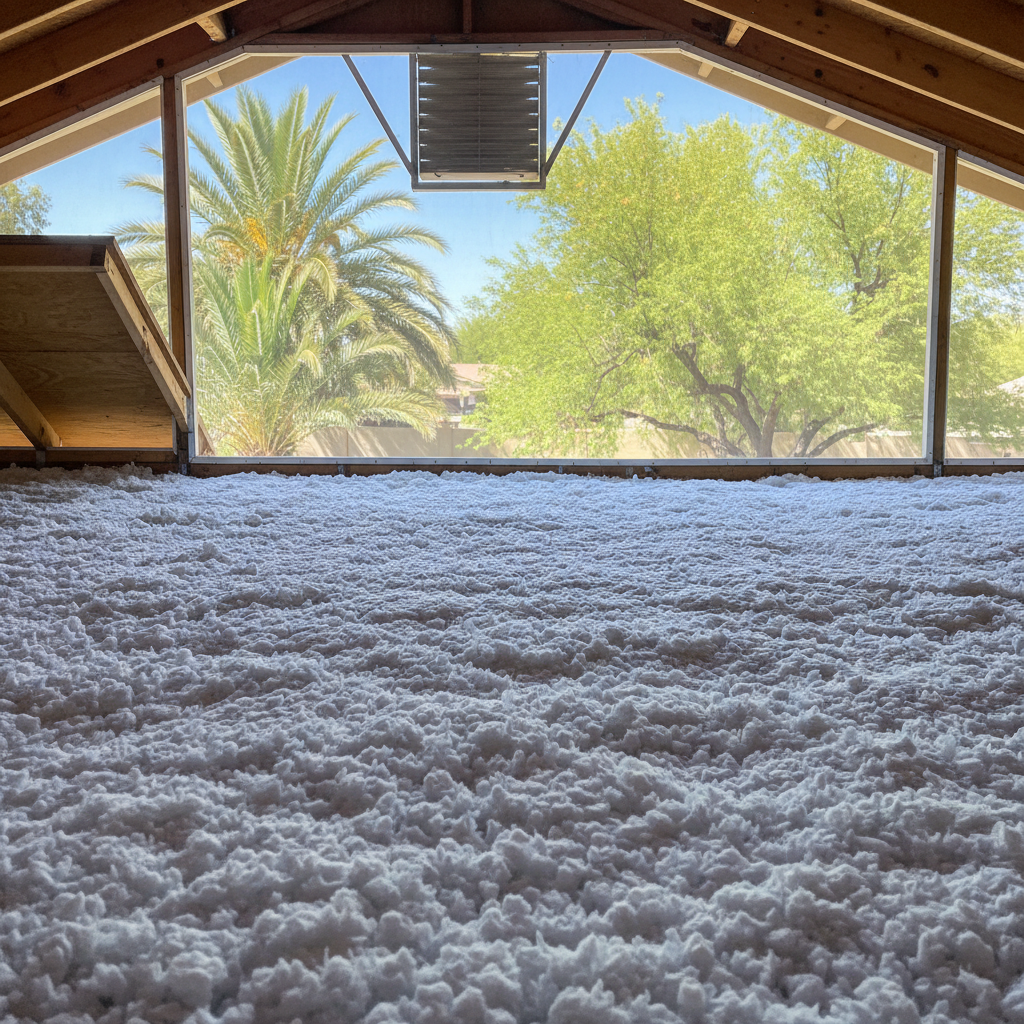
So, you've got blown-in insulation. That's a really smart move for any Tempe homeowner, honestly. It's fantastic for keeping the heat out and, let's be real, keeping those AC bills from skyrocketing. But here's the thing: just like pretty much everything else in your house, it's not totally maintenance-free. You want to get the most out of that investment, right? Of course you do! So, let's chat about how to keep it in tip-top shape, especially with our Arizona climate trying its best to bake everything.
Making Your Blown-In Insulation Last Longer
Good news first: blown-in insulation is actually pretty tough stuff. Whether you've got cellulose or fiberglass, it's built to last for decades. But "lasting" doesn't always mean "working its best" if you're not paying a little attention. The biggest enemy here in Tempe isn't really the cold; it's heat and moisture. Yeah, I know, we don't get much rain, but that intense sun beating down on your roof turns your attic into an oven, and that can really affect things over time.
First off, proper attic ventilation is absolutely huge. If your attic can't breathe, that super-heated air just sits there, cooking your insulation and making your AC work overtime. Make sure your soffit vents aren't blocked by insulation — and that your ridge vents or static vents are clear too. I've actually seen plenty of homes in older neighborhoods, like Papago Manor, where people have accidentally blocked their soffit vents when adding more insulation. That's just asking for trouble.
Another thing? Keep critters out. Rodents, birds, even insects can build nests in blown-in insulation, compacting it or moving it all around. Seal up any entry points to your attic. This isn't just about the insulation, by the way; it's about keeping your whole attic space healthy.
Regular Check-Ups: What to Keep an Eye Out For
You don't need to be up in your attic every week, no way. But a yearly check-up is a really good idea. Maybe aim for the cooler months, like October or November, before it gets too hot again. Grab a flashlight and just take a peek.
- Look for uneven spots: Blown-in insulation should generally be pretty level across your attic floor. If you spot areas that are noticeably lower, it might be compacted or shifted.
- Check for moisture: Any dark spots or dampness on the insulation itself, or on the wood underneath, is a big red flag. This usually points to a roof leak, which you need to deal with immediately.
- Pest activity: Droppings, tunnels, or nests are clear signs you've got unwanted guests. They'll ruin your insulation's R-value faster than you can say "scram!"
- Damage around vents or access points: Sometimes, insulation gets disturbed near attic access panels, recessed lighting, or exhaust fan vents. Make sure it's still covering these areas properly.
The whole point here is to catch small issues before they blow up into big, expensive problems. A little bit of displaced insulation is easy to fix; a whole attic full of moldy, compacted insulation is a completely different story.
Warning Signs You Might Have a Problem
Your house usually tells you when something's off, even if you're not climbing into the attic. Keep an eye out for these signs:
- Spiking energy bills: If your AC is running constantly and your electric bill suddenly jumps without you changing your usage, your insulation might not be doing its job.
- Inconsistent temperatures: Are some rooms significantly hotter than others, especially rooms on the top floor? That's a classic sign of insulation trouble.
- Drafts or hot spots: You might feel hot air coming down from your ceiling light fixtures, or notice certain areas of the ceiling feel warm to the touch.
- Visible sagging or gaps: If you can actually see the ceiling joists through the insulation, it's probably settled too much or was never installed deep enough.
- Strange smells: Musty odors or animal smells wafting down from your attic are definite warning signs.
Seriously, don't ignore these. They're your home's way of telling you it needs some attention.
When to Call a Professional
You can handle a lot of the basic checks yourself, but some things are just best left to the pros. You should definitely call us at Spray Foam Pros of Tempe — or another reputable insulation contractor — if you notice:
- Major compaction or widespread gaps: If large sections of your insulation are compressed or missing, you'll need professional re-blowing or topping off.
- Signs of a major roof leak: Water damage needs to be assessed and repaired by a roofer first, and then the insulation can be dealt with.
- Extensive pest infestation: After an exterminator removes the pests, the damaged insulation often needs to be removed and replaced to prevent lingering odors and health hazards.
- Persistent high energy bills despite other efforts: Sometimes the issue isn't obvious, and you just need an expert to do a full energy audit and pinpoint the problem.
- You're just not comfortable going into your attic: Attics can be hot, dusty, and sometimes have electrical hazards. If you're not sure, don't risk it.
Maintaining your blown-in insulation isn't rocket science, but a little vigilance goes a long way. It helps ensure your home stays comfortable, your energy bills stay manageable, and your insulation lasts as long as it's supposed to. What more could you ask for?